Reverse Mortgages in Orlando for Homeowners 62 and Older

It usually starts with an envelope. Official-looking type, maybe an eagle on it, and a promise to eliminate your mortgage payment forever. The number rings a call center eleven states away, where someone who’s never driven down Aloma Avenue wants a decision before you hang up.

A reverse mortgage in Orlando can be one of the smartest moves a homeowner 62 or older makes, or one of the most expensive mistakes. It can end the monthly mortgage payment, but property taxes, insurance and upkeep stay with you. This is the roof over your head and what you planned to leave your kids. The difference is whether someone tells you the whole truth before you sign.

Bruce Woodburn, The Loan Arranger, and the Woodburn Team sit down with you and your family before anything is signed. Call 407-869-8830, and bring your kids to the conversation.


Older man with a white beard and a laughing older woman each hugging a younger person on a covered white porch

4.9 average review score across platforms

2026 Scotsman Guide Top Originator

10,000+ Families helped, since 1989


Top 1% Mortgage Lender
Central Florida • Orlando Magazine & Five Star Awards

5-Star Central Florida Reputation

What Is a Reverse Mortgage?

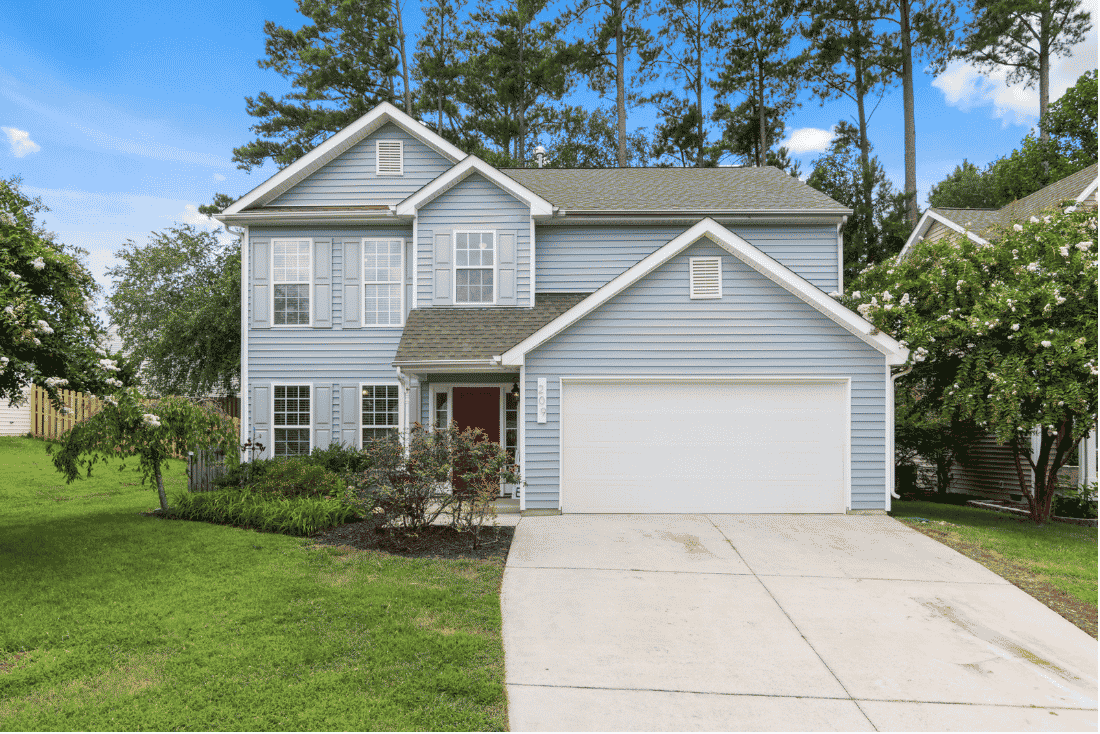
Light blue two-story house with a red front door, a white garage door and a landscaped front yard, with tall pine trees behind it

A reverse mortgage is a home loan for homeowners 62 and older that turns part of their home equity into cash, with no required monthly principal-and-interest payment. The borrower keeps the title and still pays property taxes, insurance and upkeep. The loan is repaid when the last borrower sells, moves out permanently or passes away.

HECM Protections for Borrowers and Heirs

Most reverse mortgages are HECMs (Home Equity Conversion Mortgages), insured by the FHA under rules set by HUD. Those rules build in protections:

  • Counseling first: every borrower meets with a HUD-approved counselor before the application can move forward.
  • Non-recourse: neither the borrower nor the heirs will owe more than the home is worth when the loan is repaid.
  • Options for heirs: they can keep the home by paying the lesser of the loan balance or 95% of its appraised value, or sell it and keep any remaining equity.
  • Spouse protections: an eligible non-borrowing spouse may be able to stay in the home after the borrower passes away.

One more rule to know: the loan can also come due if property taxes or insurance go unpaid, or the home isn’t kept up.

Homes valued above the FHA lending limit may fit a proprietary (jumbo) reverse mortgage instead. Those loans are not FHA-insured, so their terms and protections differ.

[Embed Bruce’s Overview Video]

What You Still Pay With a Reverse Mortgage

No principal-and-interest payment doesn’t mean no bills. Borrowers stay responsible for:

  • Property taxes
  • Homeowners insurance, which in Florida can change sharply from one renewal to the next
  • Flood insurance, if the property requires it
  • HOA or condo dues, including any special assessment the association approves
  • Keeping the home in good repair

What Happens If These Go Unpaid

Fall behind on these and the loan can come due, which can put the home at risk of foreclosure. That’s why it’s the first thing Bruce and his team go over, not a line in the fine print.

If The Numbers Look Tight

If HUD’s required financial assessment shows these costs could be a strain, part of the loan may be set aside to pay taxes and insurance automatically. This is called a Life Expectancy Set-Aside (LESA).

Reverse Mortgage Requirements in Florida: Do You Qualify?

The Baseline

For an FHA-insured reverse mortgage (HECM), every borrower must be 62 or older, the home must be their primary residence, and they need enough equity to pay off any existing mortgage. Every borrower also completes an independent HUD-approved counseling session before applying.

What Lenders Look At

  • Age of the youngest borrower: older generally means more available proceeds.
  • Appraised value: counted up to FHA’s 2026 limit of $1,249,125 (HUD Mortgagee Letter 2025-22). Homes worth more may fit a proprietary reverse mortgage.
  • Current interest rates: they move the available amount, which is why a mailer’s numbers from six weeks ago mean nothing.
  • Existing mortgage balance: the reverse mortgage pays it off first at closing. If proceeds fall short, the borrower brings the difference.
  • Financial assessment: there’s no minimum credit score, but the lender reviews credit and income to confirm taxes, insurance and upkeep can be kept current.
  • Federal debt: delinquent federal debt, such as back taxes or defaulted federal student loans, must be resolved before or at closing.
  • Property type: single-family homes, townhomes, 2–4 unit homes where the borrower lives in one unit, FHA-approved condos, and manufactured homes that meet FHA standards. Co-ops generally don’t qualify.
  • Spouse under 62: a younger spouse can’t be a borrower but can be named as an eligible non-borrowing spouse, which is what protects their right to stay in the home.

All loans subject to underwriting approval. Certain restrictions apply.

Reverse Mortgage for Purchase (HECM for Purchase)

A reverse mortgage for purchase lets a buyer 62 or older buy a primary residence by combining a large down payment with reverse mortgage proceeds, with no required monthly principal-and-interest payment afterward. It has been available through FHA since 2009. Down payments commonly run about 40% to 60% or more, depending on the youngest borrower’s age, current rates and the appraisal, and the buyer must move in within 60 days of closing.

For example, a 67-year-old sells a two-story home in Maitland to move to a single-story home in Clermont. Paying all cash would leave them house-rich and cash-poor just as the next roof, A/C or grandkid’s tuition bill shows up. A reverse mortgage for purchase lets them put down part of the sale proceeds, keep the rest liquid, and still carry no monthly mortgage payment.

All Cash vs. Mortgage vs. Reverse Mortgage for Purchase

All Cash vs. Mortgage vs. Reverse Mortgage For Purchase

All Cash Regular Mortgage Reverse Mortgage For Purchase
Monthly Principal And Interest None Required None required
Cash Needed At Closing Full price Down payment Large down payment, often 40%–60% or more
Cash Kept Liquid Least Most In between
Upfront Costs Lowest; no lender fees Lender fees and closing costs Highest; includes a 2% upfront FHA mortgage insurance premium
Loan Balance Over Time No loan Goes down Goes up as interest and mortgage insurance accrue
Qualifying None Full income and DTI review Financial assessment; no minimum credit score
Loan Repaid Not applicable Monthly, over the term When the last borrower sells, moves out or passes away
Seller-Paid Closing Costs Negotiable Allowed, within program limits Up to 6%

All loans subject to underwriting approval. Certain restrictions apply.

This is custom heading element

A reverse mortgage requires no monthly principal-and-interest payment and isn’t repaid until the last borrower leaves the home. A HELOC and a cash-out refinance both require monthly payments and full income qualifying. For a homeowner 62 or older on a fixed income, the difference is cash flow, not just rate.

Reverse MortgageHECM HELOC Cash-Out Refinance
Minimum Age 62 None None
Monthly Principal And Interest None required Yes, after an interest-only draw period Yes
Qualifying Financial assessment; no minimum credit score Full income and DTI review Full income and DTI review
Upfront Costs Highest; includes a 2% upfront FHA mortgage insurance premium Lowest Standard closing costs
Loan Balance Over Time Goes up as interest and mortgage insurance accrue Rises and falls with draws and payments Goes down
Can The Lender Freeze Or Cut A Credit Line? No, while the loan stays in good standing; the unused line grows Yes Not applicable
Non-Recourse Protection Yes No No
HUD Counseling Required Yes No No
When It’s Repaid When the last borrower sells, moves out or passes away Monthly; some end in a balloon payment Monthly, over the term
Best When The goal is cash-flow relief and staying in the home A short-term cushion is needed and income covers the paymentSee HELOC options → Steady income and a need for a lump sum with fixed paymentsSee refinance options →

All loans subject to underwriting approval. Certain restrictions apply.

What You Still Pay With a Reverse Mortgage

No principal-and-interest payment doesn’t mean no bills. Borrowers stay responsible for:

  • Property taxes
  • Homeowners insurance, which in Florida can change sharply from one renewal to the next
  • Flood insurance, if the property requires it
  • HOA or condo dues, including any special assessment the association approves
  • Keeping the home in good repair

What Happens If These Go Unpaid

Fall behind on these and the loan can come due, which can put the home at risk of foreclosure. That’s why it’s the first thing Bruce and his team go over, not a line in the fine print.

Stress-Testing The Plan Before Recommending Anything

Florida insurance is the cost most likely to change the math. Premiums have climbed sharply in recent years, so the team works from the borrower’s actual tax bill, insurance declarations page and HOA statement, then tests the plan against:

  • A higher insurance premium at renewal
  • A special assessment from the association
  • A higher property tax bill

If the plan only works at today’s premium, it isn’t a plan.

If The Numbers Look Tight

If HUD’s required financial assessment shows these costs could be a strain, part of the loan may be set aside to pay taxes and insurance automatically. This is called a Life Expectancy Set-Aside (LESA).

Can You Get a Reverse Mortgage on a Condo in Florida?

Condos: The Building Has To Qualify Too

Yes, but the building has to qualify, not just the borrower. For an FHA-insured reverse mortgage, the condo project generally needs FHA approval, or the individual unit has to qualify on its own through single-unit approval.

Florida adds its own layer. Since the Surfside collapse, condo buildings three stories or taller need milestone structural inspections and a Structural Integrity Reserve Study, and associations can no longer vote to skip funding structural reserves.

Every building now has a paper trail that can help or sink an approval, so it’s worth reviewing in week one rather than week six. CrossCountry Mortgage reviews condo projects through its in-house condominium underwriting department [CONFIRM].

Why The Appraisal Matters More Here

On a reverse mortgage, the appraised value feeds directly into how much the borrower can access.

The team works with its own appraisal company and appraisers who know local markets. Winter Park and Winter Springs aren’t the same market, and an accurate appraisal should reflect the difference.

Homestead Exemption

Because the borrower keeps title, a reverse mortgage generally doesn’t affect the homestead exemption.

But four things can change what the home costs each year, and none of them is a mortgage question:

  • The homestead exemption itself
  • The Save Our Homes assessment cap
  • Portability, when moving to another Florida home
  • Extra exemptions some Florida counties offer homeowners 65 and older

Bruce and his team will point to each one and suggest what to ask the county property appraiser and a tax advisor.

“Stay in your lane, but point folks to the right one.”Bruce Woodburn, The Loan Arranger

How to Get a Reverse Mortgage in Orlando

Getting a reverse mortgage in Orlando takes six steps, and independent counseling comes before the application.

01

Start the Conversation

Call 407-869-8830 or start online at webringyouhome.com to talk through your goals. The first question isn’t how much you can get; it’s whether a reverse mortgage makes sense for you at all.

02

A Free Family Consultation

Bruce and his team ask you to bring your adult children, heirs, financial advisor or anyone you trust.

Everyone hears the same numbers and the same warnings, and if a reverse mortgage isn’t right for you, you’ll hear that too.

03

Your Real Numbers

The team works from your actual tax bill, insurance and HOA statements and checks that they stay affordable in the years ahead. This is the financial assessment every HECM requires. For a condo, it also covers FHA approval, the building’s milestone inspection and its reserve study.

04

Independent HUD-Approved Counseling

Federal rules require a session with an independent counselor before the application can move forward. You’ll get the HUD list of approved agencies and a walkthrough of what the counselor covers, so you walk in ready with questions.

The counselor is independent and does not work for the lender.

05

Application, Appraisal and Underwriting

An FHA-approved appraiser sets the home’s value. Processing, underwriting and closing happen in-house.

06

Tuesday Updates for the Whole Family

Every Tuesday you get a written update on where your loan stands, and with your permission, so do your family and your advisor. Nobody has to play telephone.

Older couple sitting on a gray sofa between a younger man and woman, each holding a small child, in a living room with white bookshelves

Choosing a Reverse Mortgage Lender in Orlando

Choosing a reverse mortgage lender in Orlando comes down to things you can check before you sign.

Bruce Woodburn wearing a black cowboy hat, standing next to the Orlando homepage contact form.

You Can Hear Bruce Before You Meet Him

Bruce Woodburn answers listeners’ mortgage questions live on The Loan Arranger Radio Show.

Listen to the Loan Arranger Radio Show →

Your Family Is Invited On Purpose

Ask any lender whether your adult children, heirs and advisor can sit in on every conversation. Here, they are asked to.

You CAN LOOK HIM UP

Bruce Woodburn is licensed under NMLS #228431, which anyone can verify free at NMLS Consumer Access. The office is at 2729 W. Fairbanks Ave. in Winter Park.

He’ll Tell You No

Bruce teaches at least six classes a month because he would rather educate a hundred people than pressure one.

Sometimes the honest answer is a standard refinance, a VA loan for those who served, or no loan at all.

See why Central Florida homeowners work with the Woodburn Team →

Reverse Mortgage FAQs

Do you still own your home with a reverse mortgage?

Yes. The lender records a lien, just as with any other mortgage, and the title stays in your name. You can sell at any time, and there’s no prepayment penalty for paying the loan off early.

Do you have to make monthly payments on a reverse mortgage?

No monthly principal and interest payment is required, though you can choose to make one. You still pay property taxes, homeowners insurance, any HOA dues and the cost of maintaining the home, and falling behind on those can make the loan due.

What happens to a reverse mortgage when you die?

The loan becomes due, and heirs choose whether to sell the home, refinance it or pay off the balance. They generally have 30 days to respond to the lender and up to six months to sell or pay off, with extensions possible. They never owe more than the home is worth.

How much can you get from a reverse mortgage?

It’s a percentage of the home’s value, up to the FHA limit. That percentage rises with the youngest borrower’s age and falls when interest rates rise, and any existing mortgage is paid off first. A mailer can’t give you the real number, but a free consultation using your actual figures can.

Should you take a reverse mortgage as a lump sum or a line of credit?

It depends on the goal. A HECM can pay out as a lump sum, a line of credit, monthly payments or a combination, and in the first year borrowers generally can’t access more than 60% of the available amount. If anyone pushes you to take the maximum and put it into an annuity, an insurance policy or an “investment opportunity,” stop. Federal rules bar lenders from requiring you to buy other financial products. Bruce’s advice on the air: bring the mailer in and read it out loud together, line by line.

Can you buy a home with a reverse mortgage?

Yes. A reverse mortgage for purchase lets a buyer who is at least 62 buy a primary residence. The buyer brings a down payment, the reverse mortgage covers the rest, and no monthly principal and interest payment is required afterward.

Does a reverse mortgage affect Social Security or Medicare?

No. Reverse mortgage proceeds are loan money, not income, so they don’t affect Social Security or Medicare. Needs-based benefits such as Medicaid and SSI work differently: money held past the month it’s received can count as an asset, so check with a benefits advisor first.

Are reverse mortgage proceeds taxable?

Generally not. Proceeds are a loan, not income, so the IRS doesn’t treat them as taxable income. Interest usually isn’t deductible until it’s actually paid, typically when the loan is repaid. Confirm your situation with a tax advisor.

CHOOSE YOUR PATH

Where Are You on Your Home Journey?

Pick your starting point and we will guide you along the right path.

Start Your Pre-Approval

Get a same-day pre-approval letter framework strategy tailored directly to your specific Central Florida purchase criteria.

Find the Right Mortgage

Whether you are shopping alternative loan types or evaluating conventional refinancing options to drop your current PMI, we can help.